
The Unshaming Practitioner:
Trauma, Somatics, and the Power of the Witness
3-Day Intensive Training for Therapists, Coaches, & Healers
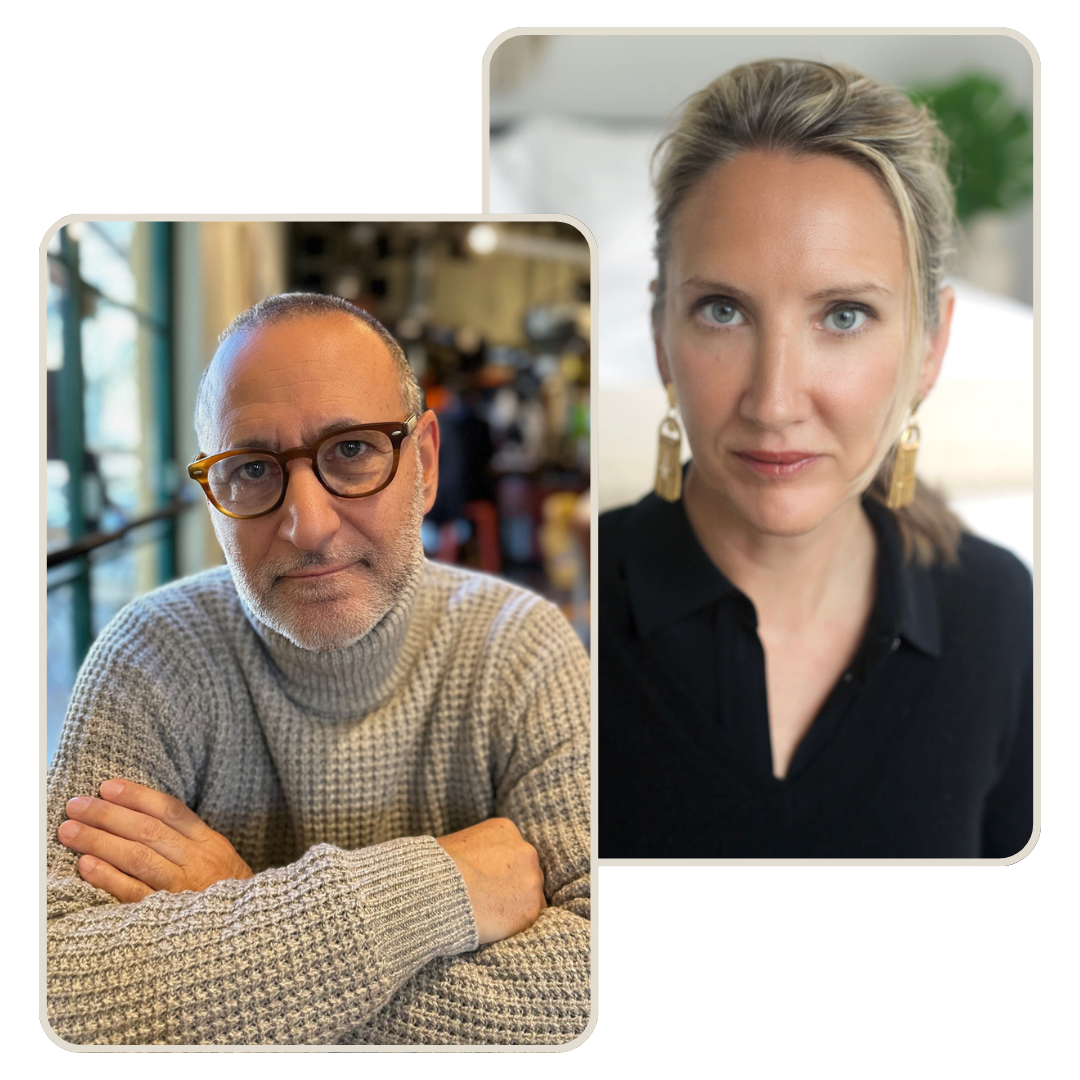
with David Bedrick (Author of The Unshaming Way) & Dr. Lisa Blair
June 5-7, 2026 | London, UK

EVENT DETAILS:
WHEN: June 5th, 6th & 7th, 2026
LOCATION: The Kairos Centre, Roehampton, London
"As coaches, healers, and therapists, we must recognize that most people don't even know how to tell their own story."
If you're working with people, you're already working with trauma—whether you realize it or not.
This 3-day intensive will give you the trauma awareness, ethical frameworks, and practical skills you need to work with clients safely, effectively, and without causing harm.

ARE YOU FACING THESE CHALLENGES IN YOUR PRACTICE?
➡️ Clients say "yes" with their words, but their body language says "no"—and you're not sure how to navigate it
➡️ You're working with somatic techniques but worry about re-traumatizing clients when entering the body
➡️ Clients struggle to set boundaries or say "no," even in your sessions with them
➡️ You hear the same limiting narratives over and over: "I'm broken," "Something's wrong with me," "I need to fix myself"
➡️ You sense there's unresolved trauma beneath persistent issues—financial struggles, relationship patterns, procrastination, unworthiness—but don't know how to address it ethically
➡️ You want to go deeper with your clients but lack the trauma-informed skills to do so safely
➡️ Your clients' inner criticism is so harsh it undermines all the healing work you're doing together
➡️ You feel the limitations of your current training when working with trauma survivors
If any of this resonates, this training is for you.

WHAT PRACTITIONERS ARE SAYING:
THE CRITICAL GAP IN TRAUMA WORK
TRAUMA is one of the most urgent topics in the world of healing today. Yet our collective understanding is full of gaps.
Too often, there's little clarity about what trauma really means, how it shows up in people's lives, and what it takes to address it.
Somatic work has brought enormous breakthroughs, but entering overwhelming experiences without preparation can cause harm. Before we guide people into the body, they need self-awareness, empowerment, and clear ethical safeguards. Without these, the work risks being re-traumatizing rather than healing.
Another overlooked piece is what happens when someone shares their story. In a world that often denies, dismisses, or minimizes trauma, people learn to see themselves through shaming eyes. Instead of compassion, they internalize judgment—and healing becomes about "getting rid" of parts of themselves. This is the shadow of trauma, and unless we address it, even the best methods fall short.
Trauma teaches people to distrust themselves. Left unchecked, this cycle of self-shaming shapes the very way they try to heal.

The Missing Piece: The Witness
While perpetrators cause harm, it’s the witness who holds the greatest power in healing.
When pain is met with a loving witness—someone who believes, validates, and supports without gaslighting or blame—the wound, though painful, doesn’t freeze into trauma. Healing begins, and shame no longer takes root in the self.
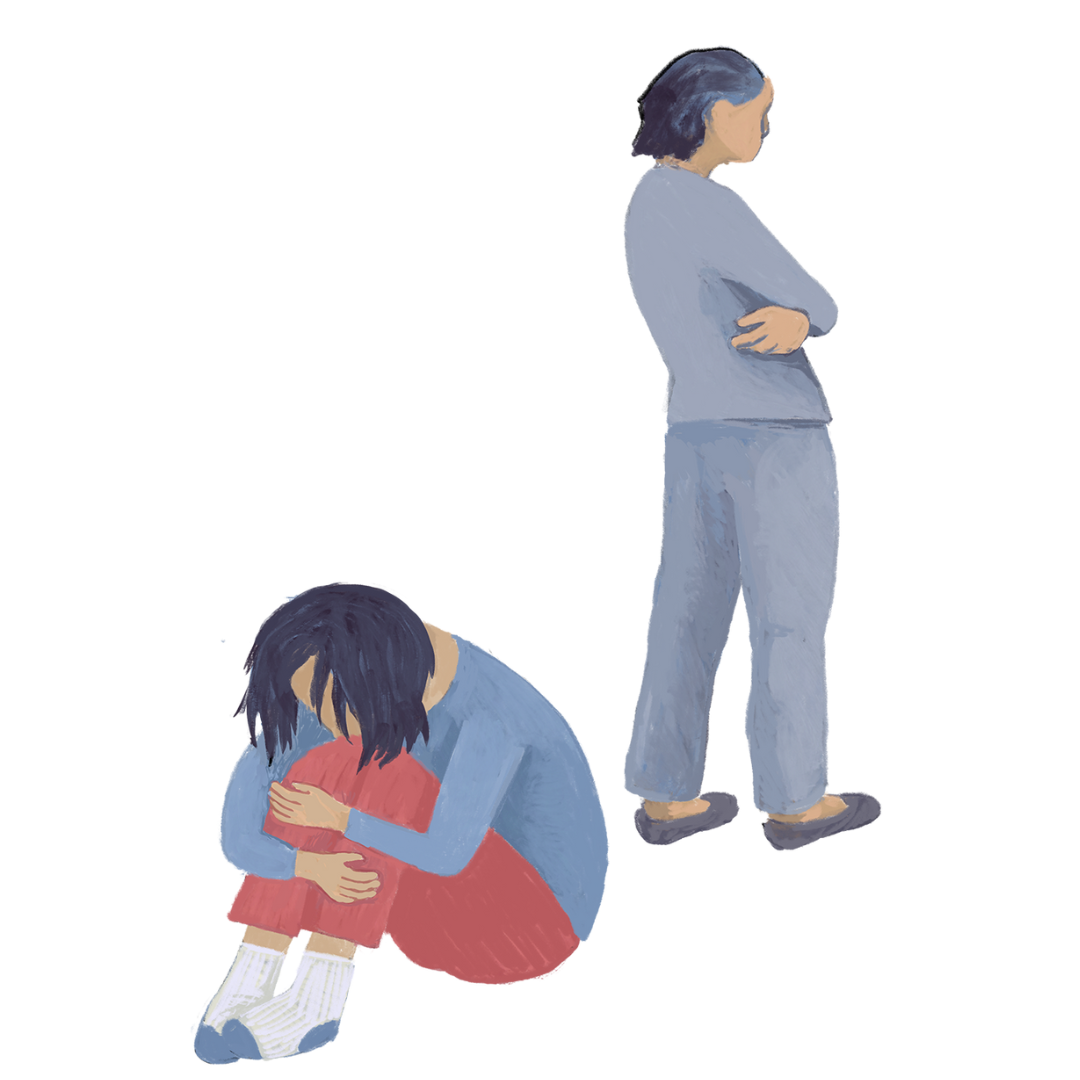
If, however, we don’t have a loving witness, then we internalize a shaming witness—a voice that tells us we are to blame, that we deserved what happened, and that our natural responses are inherently wrong.
This shame and lack of compassionate witnessing is the true root of trauma.
When an injury is denied, dismissed, or neglected, the healing process freezes. Our natural reactions, including pain, anger, and fear, are suppressed and shamed, becoming locked within us. This frozen state is trauma—a condition not solely caused by the initial harm, but by the absence of validating witnessing.
This is why unshaming, a skilled and aware form of witnessing, is the essence of trauma healing.
WHY TRAUMA AWARENESS IS ESSENTIAL—NOT OPTIONAL
As a coach, teacher, healer, or facilitator, you may feel that trauma is outside your scope—that it's something only therapists should address. But here's the truth:
**If you're working with people, you're already working with trauma.**
Many persistent struggles are rooted in it:
Financial difficulties often tie back to intergenerational money trauma
Relationship challenges stem from early "locked-in" relational patterns
Procrastination or addictions are coping strategies born from pain
Feelings of unworthiness or depression often echo past experiences
These aren't just "coaching issues." They are manifestations of trauma—even when they don't match the narrow, clinical definition.
That's why trauma awareness isn't about becoming a therapist. It's about strengthening your capacity, practicing ethically, and ensuring you do no harm. Without this awareness, it's easy to unintentionally reinforce the very shame and self-beliefs your clients are struggling with.
WHAT MAKES THIS TRAINING DIFFERENT?
This is the most complete and ethical trauma training available—designed specifically for practitioners who need trauma awareness without crossing into clinical therapy.

You'll learn cutting-edge approaches that go far beyond conventional trauma training:
EMPIRICAL DEFINITION OF TRAUMA
Understand the 6 specific elements that form trauma and must be addressed in healing
TRAUMA ETHICS IN PRACTICE
Develop the ability to read subtle cues—body language, tone, pauses, fawning responses—that tell you whether your guidance is truly healing or causing harm
THE POWER OF THE WITNESS
Learn the profound role witnesses play and how to address the internalized shaming witness that lives in your clients' psyches
CONSENT & BOUNDARIES
Support clients in recovering their ability to say "yes," "no," and "maybe"—so they stop getting re-traumatized again and again
RADICAL SOMA APPROACH
Work with somatic experience through movement, voice, and the body—not just stillness and feeling
INNER CRITICISM AS TRAUMA
Understand how relentless inner criticism is a continuous re-enactment of past relational violence, and learn specific techniques to interrupt this cycle
THE INTELLIGENCE OF DISSOCIATION
Learn to view dissociation not as a problem to be fixed, but as natural intelligence that protects the system
THE WOUNDED HEALER & THE GIFT IN THE WOUND
Discover how trauma reveals natural gifts and life path—transforming wounds into medicine
WHAT YOU'LL LEARN OVER THREE TRANSFORMATIVE DAYS…
Day One: Trauma’s Root
From Dismissal to Dissociation and the Path to True Witnessing
UNDERSTANDING TRAUMA'S FORMATION
• Learn the etiology of trauma—trauma is born of abuse that has been denied, gaslit, dismissed or neglected
• Understand how people and systems that dismissed your client's story now live in their psyche, bypassing their feelings and self-trust
• Discover what happens when trauma overwhelms the system and why dissociation is a natural, organic response
THE PROFOUND ROLE OF THE WITNESS
• Explore how the absence or presence of a "loving witness" fundamentally shapes trauma
• Learn how external witnessing (or lack thereof) becomes internalized, creating beliefs like "I am a burden" or "My needs are too much"
• Understand why unshaming—a skilled form of witnessing—is the essence of trauma healing
UNSHAMING DISSOCIATION
• Learn to view dissociation as natural intelligence that creates distance from overwhelming events
• Develop skills to honor the organic function of your client's dissociation
• Approach dissociation with high respect, working with it as an ally in healing
Day Two: The Unspoken “No:
Cultivating Presence and Honoring Consent in Trauma Healing
RECOGNIZING THE SUBTLE SIGNALS OF "NO"
Every practitioner has had this experience: a client says "yes" on the outside while their body quietly says "no."
• The breath changes
• Their eyes become glazed
• Hesitations interrupt their speech
• They're a little too happy with everything you do
These moments are easy to miss, especially when we're focused on applying a technique. But they're also some of the most important signals we'll ever get. They tell us whether safety is present—or slipping away.
TRAUMA & THE LOSS OF CONSENT
• Discover how trauma disconnects people from their power and consent-making function
• Learn why individuals with unresolved trauma struggle to consciously say "yes," "no," or "slow down"
• Understand that working with your client's boundary-making capacity IS trauma healing
DECODING MICRO-COMMUNICATION & FEEDBACK AS TRAUMA ETHICS
• Develop critical skills to read subtle, non-verbal cues that indicate consent, discomfort, or unspoken needs
• Learn how to navigate consent violations and fawning in the therapeutic space
• Practice trauma ethics by attending to the signals that shape a truly healing relationship
INNER CRITICISM AS PERPETUATED TRAUMA
• Understand how relentless inner criticism is a continuous re-enactment of past relational violence
• Learn why unconscious inner criticism retraumatizes people daily
• Master these four key practices to work with inner criticism:
1. Externalize the Critic - Have clients speak the critic's words out loud
2. Connect to the Body/Soma - Link criticism to physical sensations
3. Interview the Critic - Engage in dialogue to understand its underlying intent
4. Integrate the Energy - Help clients integrate the critic's energy, not its negative content
Day Three: Radical Soma
Accessing the Body's Full Intelligence
UNDERSTANDING THE BODY'S INTELLIGENCE
This goes beyond conventional somatic work to explore Radical Soma—a holistic approach that honors the body's full intelligence. We'll focus on the body's natural impulses for feelings, movement, and voice.
ENTERING THE STORY WITH CARE
• Use foundational skills—dissociation work, witnessing, micro-communication cues—to approach trauma stories safely and ethically
• Learn to modulate experience with a gentle back-and-forth between entering the story and creating distance
• Ensure your work avoids re-traumatization
GIVING EXPRESSION TO THE BODY'S VOICE
• Access the full range of the body's expressions: movements like pushing and shaking, vocalizations like screaming, groaning, crying
• Understand these aren't just releases—they're intelligent expressions of parts longing to be integrated and heard
THE WOUNDED HEALER & HIDDEN GIFTS
"It turns out the wound and the gifts are in the same place. Every time we touch the wounds, we are closer to our own gifts." —Michael Meade
• Shift perspective from "getting over" wounds to discovering the powerful gifts and medicine within them
• Learn to see struggles not as something "wrong" but as alchemy chambers where potent medicine has been cooking
• Help clients move from wounds to purpose—discovering their authentic path
WHAT YOU'LL EXPLORE:
• What deep feelings, inner experiences, and fears are hiding within?
• What wisdom and intelligence is there to glean?
• What patterns are waiting to heal?
• What path of heart emerges from the client's story?
When your relationship with trauma changes, pain and suffering transmute into medicine that brings your most authentic self into the world.
IMAGINE YOUR PRACTICE AFTER THIS TRAINING
✔️ You can read the subtle cues that tell you whether a client is truly present or dissociating
✔️ You know how to work ethically with consent, even when clients struggle to say "no"
✔️ You have specific techniques to help clients work with devastating inner criticism
✔️ You can guide clients into somatic experiences safely, without re-traumatizing them
✔️ You understand dissociation as intelligence and know how to work with it respectfully
✔️ You see persistent patterns (financial struggles, relationship issues, procrastination) as manifestations of trauma and know how to address root causes
✔️ You can help clients recover their boundaries and consent-making capacity
✔️ You have the skills to be a "loving witness" that facilitates true trauma healing
✔️ You can help clients discover the gifts hidden in their wounds
✔️ You practice with ethical grounding and confidence, knowing you're doing no harm
✔️ Your work goes deeper, and your clients experience more profound, lasting transformation
Testimonials for Lisa & David…
This intimate training is capped at 40 participants to ensure:
• Personalized attention and feedback
• Opportunities for live practice and demonstrations
• Deep, meaningful engagement with the material
• A safe container for transformative learning
WHO THIS TRAINING IS FOR
This intensive is specifically designed for:
• Licensed therapists who want to deepen their trauma-informed practice
• Coaches working with clients who have unresolved trauma
• Somatic practitioners seeking ethical frameworks for trauma work
• Healers and bodyworkers who encounter trauma in their sessions
• Counselors and social workers expanding their skill set
• Any helping professional committed to working ethically and effectively with trauma
Whether you're experienced or just beginning to recognize trauma's presence in your work, this training will meet you where you are and take you deeper.
REGISTRATION DETAILS:
WHEN: June 5th, 6th & 7th, 2026
LOCATION: The Kairos Centre, Roehampton, London
COST:
Prices are in USD.
LOCATION
Location: Kairos Spirituality and Conference Centre
Address: Mount Angelus Rd
Roehampton
London SW15 4JA
Meet David
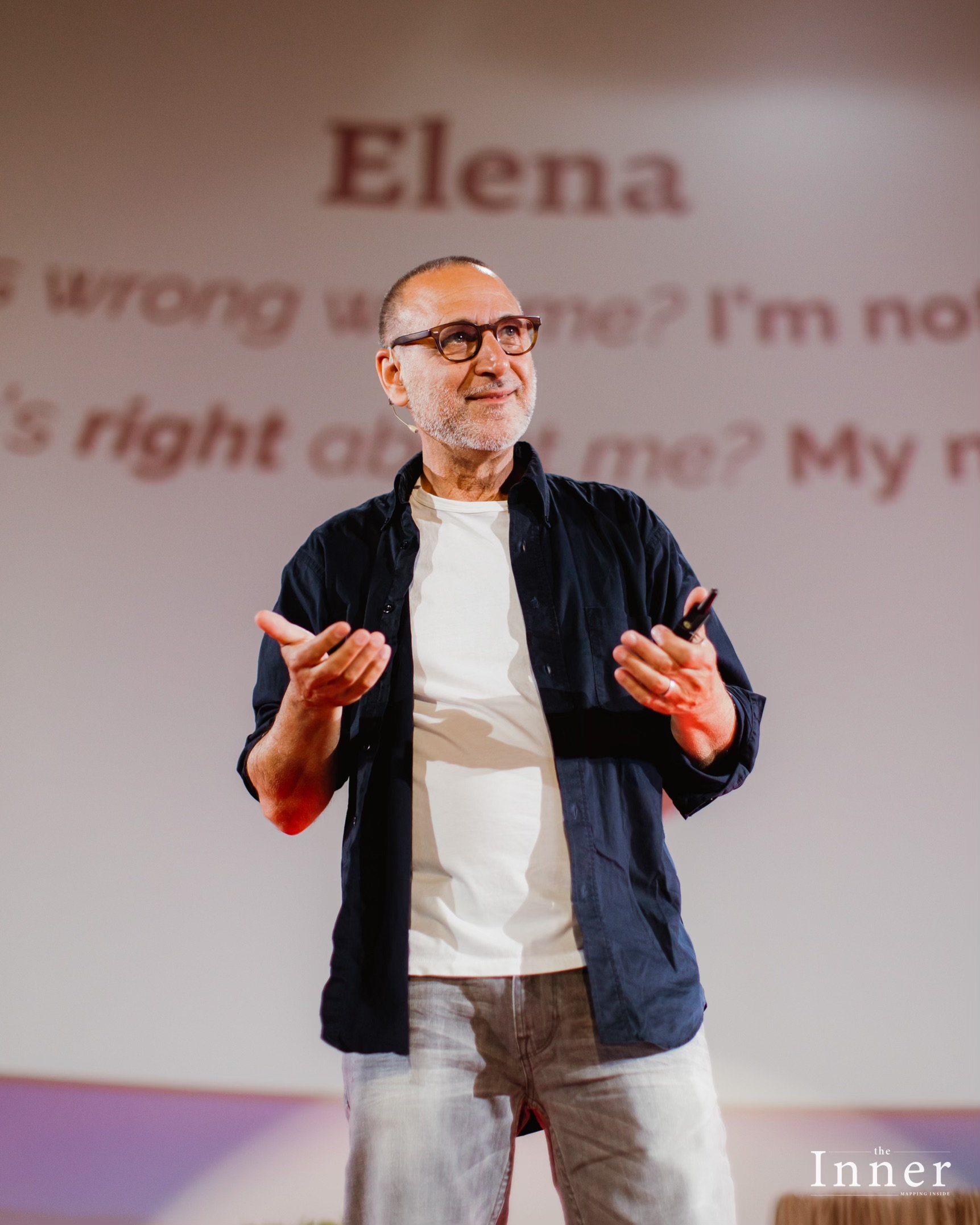
David Bedrick is the author of The Unshaming Way, about which Gabor Mate wrote, ”In this astute work, David Bedrick provides a deep investigation of shame, the most debilitating of our mind states, and offers a workable, practice-based, and accessible path to divesting ourselves from it.”
Davidis a teacher, counselor, and attorney. He was on the faculty for the University of Phoenix for 8 years as well as the Process Work Institute in the U.S. and Poland. He is the founder of the Santa Fe Institute for Shame-based Studies where he educates therapists, coaches and healers. His embodied way of teaching goes beyond informational, students are regularly brought to tears and face to face with their beauty, power, life path and soul.
David’s passion for studying shame arose from his childhood, growing up with a father who used fists and belts to express his rage and a mother who coped by denying and gaslighting his experience. Forty years of research, teaching, and working with individuals awakened his heart and mind to how the dominant healing paradigm pathologizes people—sees people's suffering and symptoms as something to “fix" instead of messages that deepen our relationships with ourselves and the world around us. David’s unshaming way treats difficulties as invitations to insight, soul, and the divine unfolding of our lives.
David also writes for Psychology Today and is the author of three additional books: Talking Back to Dr. Phil: Alternatives to Mainstream Psychology and Revisioning Activism: Bringing Depth, Dialogue, and Diversity to Individual and Social Change, You Can’t Judge a Body by Its Cover: 17 Women’s Stories of Hunger, Body Shame and Redemption. His 5th book will also be published by North Atlantic Books and available early in 2026.

Meet Lisa
Dr. Lisa Blair, PhD, MA, Dipl. PW, is a leading expert in romantic partnership, online intimacy, and AI and human connection. She has over 16 years of clinical experience as an International Women’s Consultant working with trauma, addiction, depression, anxiety, emotional intimacy, high sensitivity, and women’s empowerment. Like her husband, David Bedrick, she is a Certified Process Work Diplomate trained under Drs. Arnold and Amy Mindell. Her peer-reviewed research has been published in the International Handbook of Love (2nd edition), World Futures, and the Journal of Consciousness Studies. She and David co-host In Two Deep, a podcast on emotional intimacy, conflict, and connection from a depth psychological perspective. Lisa is also the publisher at Belly Song Press, a small independent press specializing in nonfiction titles on psychology, social justice, and leadership.