
Beyond Codependency
Mining the Intelligence Within Relational Patterns
A Masterclass with David Bedrick

Codependency has been reduced to a pathology for too long—a problem to solve rather than a pattern with intelligence to offer, a condition to treat rather than an embodied hunger to understand.
It's time for a different approach, an unshaming way.
Understanding Codependency: A Compassionate Approach
What Is Codependency?
Codependency is an addictive process. Like other addictions, it exists on a spectrum—some dependencies are stronger and more difficult to break free from than others.
Reframing Addiction Without Shame
From an unshaming perspective, addiction represents the pursuit of a valid state of being or feeling. The key is that the substance or behavior we turn to doesn't actually fulfill that deeper need. Behind every addiction lies a legitimate hunger—a desire for safety, love, ecstatic states, altered consciousness, socialization, belonging, happiness, joy, or connection to our deepest pains.
The substance or behavior gives us a taste or memory of satisfaction, which activates our sense of that experience. This keeps us returning, seeking that fulfillment. We're not simply escaping our pain through addictions—we're reaching for something meaningful.
One of my teachers, Dr. Max Schupbach, said that addictions were like a hotel. It reminds you of home, but it's not. But if you can't get home, or you don't know where home is, or how to get there, the hotel will more than do. In fact, you will bond with that experience with all your might.
Codependency as a Relational Hunger
Codependency follows this same pattern. We're reaching for a state of fulfillment, connecting that experience of satisfaction with something that happens in the relationship itself. The "substance" in this case is the relationship experience—a state of being, wellness, or even ecstasy achieved through interaction with another person.
But here is what the industry misses: That hunger is for a genuine and valid need. We don’t just need to "stop being codependent" or "focus on ourselves." We need to find out what that genuine relationship need is and validate it. There is a real pain being suffered and a real cost being paid.
Moving Beyond Ideas into the Body
True change doesn't come from moralistic or psychological ideas used to blame and shame—"Stop being that way," "You're a codependent," "Get over it." We must move toward an embodied experience. By meeting the hunger and the pain somatically, we allow for a transformation that "thinking" can never achieve.

The Danger of the "Fix-It" Industry
Our healing and wellness industry has turned everything into a pathology where we seek the cause and try to eliminate the symptoms. This is dangerous for the soul.
It’s dangerous for your life path, your relationships, and the unique way you love and need to be loved. This clinical approach threatens to strip us of our humanity, letting a kind of perfectionism enter the field of healing—a perfectionism that denies the human project and our sensitivity to a violent world.
In this world, many of your "symptoms" don’t belong only to you.
This is a Life Path, Not a Diagnosis
We are often told that our patterns in relationships are signs of something that needs to be fixed, something wrong with us. In reality, this is the path of the psyche navigating a world of difficulty and pressure.
Yes, we give ourselves away in relationships.
Yes, we must gather our authenticity back.
Yes, we have been traumatized and we fawn.
Yes, we get caught in addictive patterns on both sides.
But this is not an illness. This is a path of development for almost everyone—a journey where we project parental figures and early experiences onto others as we slowly regain our true selves.
Don’t shame yourself.
Be careful with the idea of codependency. Work on your issues, bring yourself out more, speak up more, and care for your needs more. But don’t look at yourself as a sick person.
Yes to change. Yes to becoming more yourself. Yes to more centering your own needs and less giving yourself away.
But we will not pathologize the human experience.
The Intelligence: A Three-Element Process for Working with Codependency
Codependency isn't just a hurdle to overcome—it contains a hidden intelligence.
Beneath the pain of codependency lies a roadmap to your deepest needs. By extracting three essential elements from the codependent process, we transform vague longing into conscious clarity. In this masterclass, you will learn to navigate this journey:
Element One: Specificity of Desire
Codependency keeps us locked in generalities—"I need them to love me," "I want them to change." This element breaks through that fog by identifying the concrete, specific behaviors and qualities you're seeking.
This precision matters because it reveals a valid hunger and brings clarity to what has remained painfully unclear. Your desires aren't wrong—they've just been hidden in abstraction.
Element Two: Embodied Awareness
This element explores the state of being or feeling you would experience if your need were met. It requires connecting with this state viscerally, in your body, rather than just intellectually imagining it.
With any addiction—including codependency—this state often remains unknown or only partially understood. We think we know what we're seeking, but we've never fully inhabited it. This lack of embodied clarity is precisely what keeps us believing the relationship or person can deliver what we're longing for. We're chasing a feeling we can't quite name, in a place it doesn't exist.
Element Three: Clear Assessment
This element involves the sober examination: Can this person—or this relationship—actually meet those needs? Will they?
It's looking at the other person clearly and realistically, without the distortion of hope or fear. Like assessing whether an addictive substance can truly produce the peace, confidence, or connection you're deeply hungry for, this step asks you to see what is, not what you wish could be.
The Transformation
By uncovering these three elements, we shift codependency from a repeating pattern into a roadmap—one that reveals both your deepest needs and the reality of your relationships. This isn't about blame or abandonment. It's about bringing what's been unconscious into the light, where real choices become possible.
Get instand access to the Beyond Codependency Masterclass Recording
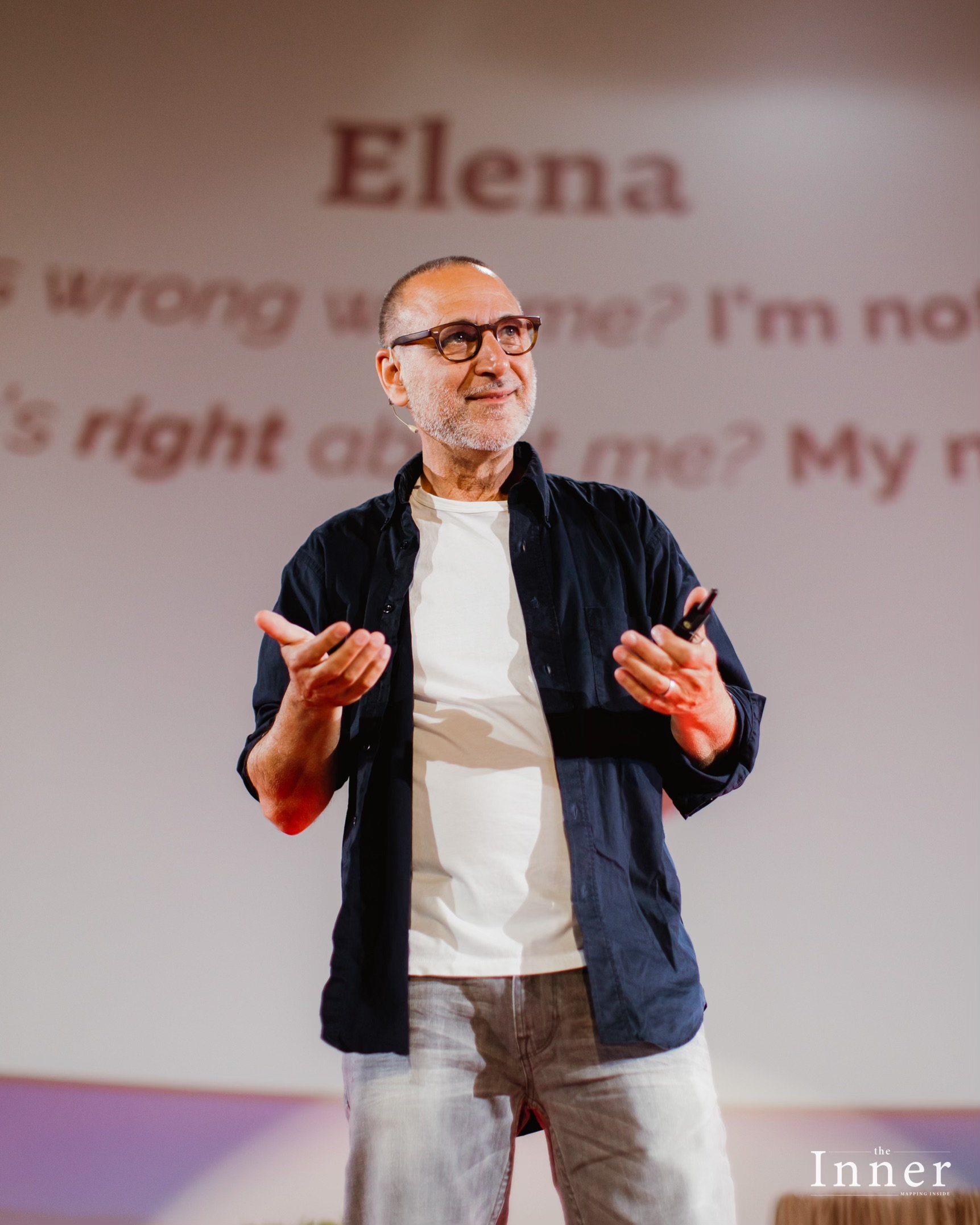
MEET YOUR FACILITATOR:
David Bedrick, J.D., Dipl. PW, is the founder of the UnShaming Way — a depth-psychology approach built on one conviction: your symptoms, struggles, and survival strategies carry intelligence, not pathology. He is the author of five books, including The Unshaming Way (North Atlantic Books), endorsed by Gabor Maté, MD. He has trained hundreds of clinicians and taught thousands of individuals. Before psychology, he practiced law; before law, he survived the home that taught him everything the books later confirmed. That is his deepest credential: he knows both harms — the violence, and the denial of it — from the inside. His work has appeared in Psychology Today and reaches hundreds of thousands of readers through his essays on trauma, shame, and the witness.
© 2026 David Bedrick
LEARN
• Free Guide: The Anatomy of Shame
• UnShamed TV
• Blog
• Books
• Podcast
• Video, Audio & Other Media
• Psychology Today Articles
WORK WITH DAVID
•The Foundations of UnShaming
• UnShamed Monthly Medicine
• All Courses